Guide to Glycol Disposal
A Comprehensive Guide to Glycol Disposal
Glycol compounds such as ethylene glycol and propylene glycol are commonly used in antifreeze, coolant systems, de-icing fluids, and industrial processes. Despite their widespread application, improper disposal of these substances can pose serious risks to human health and the environment. Understanding the correct procedures for glycol disposal is essential for businesses and facilities to remain compliant with regulations and to reduce environmental impact. This guide outlines how to safely and legally dispose of glycol products while addressing key questions such as: “Is antifreeze a hazardous waste?”
What Is Glycol & Where Is It Used?
Glycol is a category of organic compounds that includes ethylene glycol and propylene glycol. These chemicals serve as heat transfer fluids and are found in various industries.
- Ethylene glycol is often used in automotive antifreeze, HVAC systems, and industrial coolants
- Propylene glycol is considered less toxic and is used in food production, cosmetics, and pharmaceutical applications
- Both compounds lower the freezing point of water and prevent corrosion in machinery or pipeline systems
- Waste glycol is produced during maintenance, system flushes, and equipment cleanouts
Is Antifreeze a Hazardous Waste?
The answer to “Is antifreeze a hazardous waste?” depends on the formulation, condition, and the contaminants present in the used product.
- Used ethylene glycol can become contaminated with heavy metals, fuel residues, or corrosive agents
- If testing shows high concentrations of hazardous substances, antifreeze may be classified as hazardous waste under EPA guidelines
- Non-hazardous classifications are possible for certain used antifreeze types, but proper testing and documentation are required
- Even when not classified as hazardous, antifreeze must never be poured down drains, onto the ground, or into storm sewers
How to Dispose of Glycol Properly
Safe and legal glycol disposal requires following state and federal environmental regulations. Improper disposal can lead to fines, environmental damage, and potential health hazards.
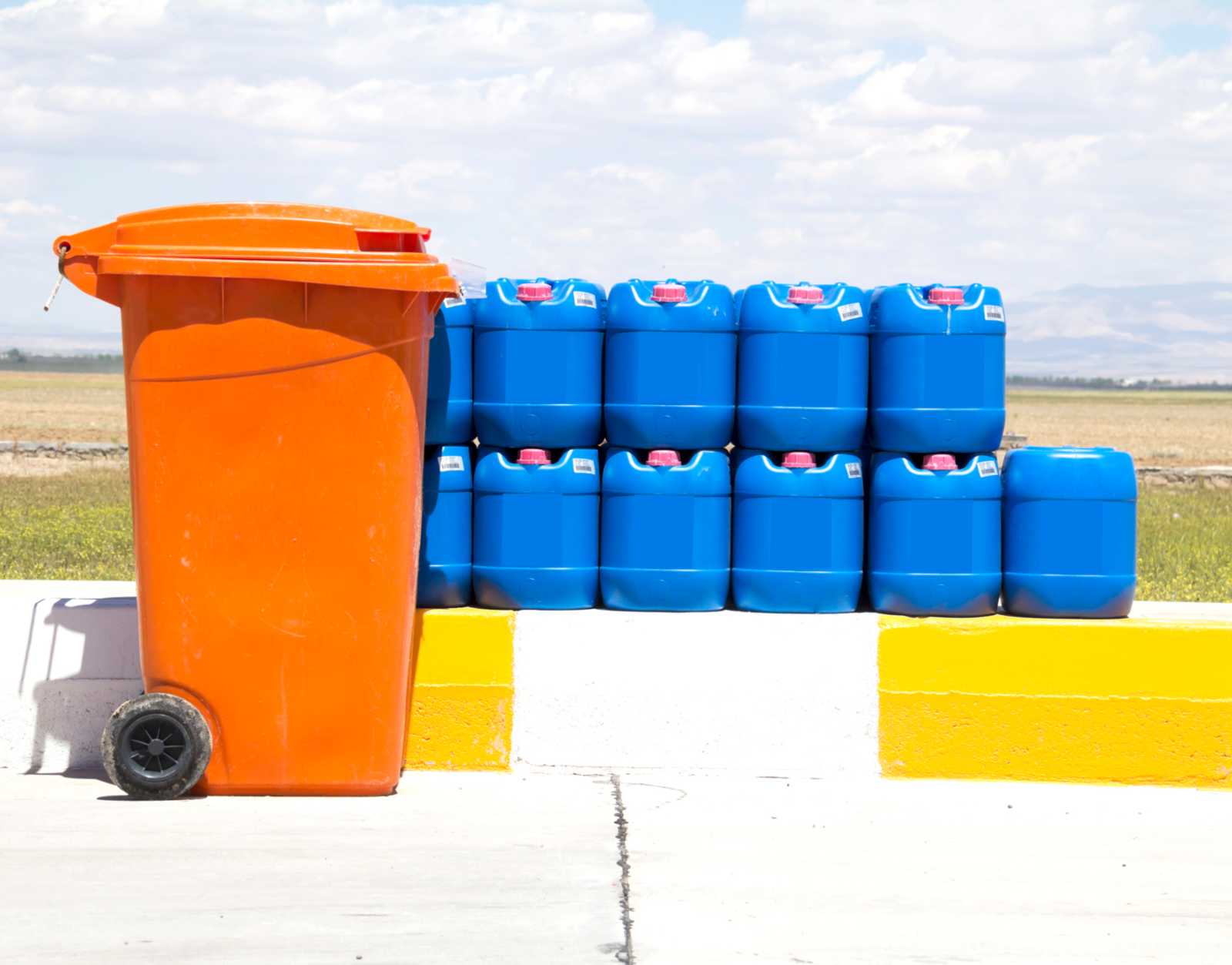
- Collect used glycol in designated, labeled containers that are sealed and corrosion-resistant
- Avoid mixing glycol with other wastes such as oil, solvents, or fuel
- Partner with a licensed waste hauler who specializes in ethylene glycol disposal or propylene glycol disposal
- Maintain disposal logs and manifests for regulatory tracking and compliance
Ethylene Glycol Disposal
Ethylene glycol is toxic and can be fatal if ingested by humans or animals. This makes careful handling and disposal critical in both commercial and industrial settings.
- Must be separated from other waste streams to prevent chemical reactions or contamination
- Disposal options may include recycling, fuel blending, or incineration by a certified facility
- Often regulated under RCRA (Resource Conservation and Recovery Act) if contaminated with hazardous compounds
- Should be tested before disposal to determine if it qualifies as hazardous waste
Propylene Glycol Disposal
Propylene glycol disposal is often considered less risky because the compound is generally recognized as safe (GRAS) by the FDA in small quantities. However, environmental regulations still apply.
- Commonly found in food processing and pharmaceutical equipment waste
- Disposal through biological treatment may be allowed in some facilities, but only under permit
- Dilution is not a substitute for proper treatment; always verify disposal method with local environmental authorities
- Propylene glycol may be eligible for recycling or recovery when captured correctly
Glycol Recycling & Reuse
Recycling is a sustainable and often cost-effective option for managing glycol disposal. Recovered glycol can be cleaned, filtered, and reprocessed for reuse, reducing the volume of waste sent to landfills or incinerators.
- On-site glycol recovery units can be used for large industrial operations with closed-loop systems
- Off-site recyclers accept bulk volumes of glycol for processing and resale
- Recycling reduces the need for virgin material, cutting costs and environmental impact
- Regulations may require pre-treatment before recycling depending on contamination levels
Environmental & Health Risks of Improper Disposal
Failing to properly dispose of glycol products can lead to significant consequences for both the environment and public health.
- Contaminated soil and groundwater resulting from illegal dumping
- Toxic exposure risks to wildlife and domestic animals, especially with ethylene glycol
- Corrosive effects on infrastructure such as storm drains or wastewater treatment systems
- Legal penalties and cleanup costs for companies that violate environmental standards
Choose EnviroBEE for Responsible Glycol Disposal
At EnviroBEE, we understand the complexities and regulations involved in glycol waste management. Our experienced team offers professional services for glycol disposal, including both ethylene glycol disposal and propylene glycol disposal. We work with clients to ensure safe, compliant, and environmentally responsible handling of all glycol-related waste streams.
Whether you’re wondering how to dispose of glycol from your commercial facility or looking to establish a regular antifreeze recycling program, EnviroBEE has the expertise and equipment to help. Contact EnviroBEE today to schedule a consultation or learn more about our glycol waste disposal and recycling services.