The Importance of Industrial Cleaning In Factories and Plants
The Importance of Industrial Plant Cleaning Services
Industrial plants and factories generate a wide range of harmful byproducts and pollutants. They also use a variety of chemicals, harmful substances, and dangerous liquids, gases, and vapors in their processes. It’s critical to adhere to all local and federal regulations regarding industrial cleanup services and plant decontamination to prevent injury, accidents, and hazards. Here is a closer look at the importance of industrial plant cleaning services.
Types of Industrial Plants & Factories and Waste Generated
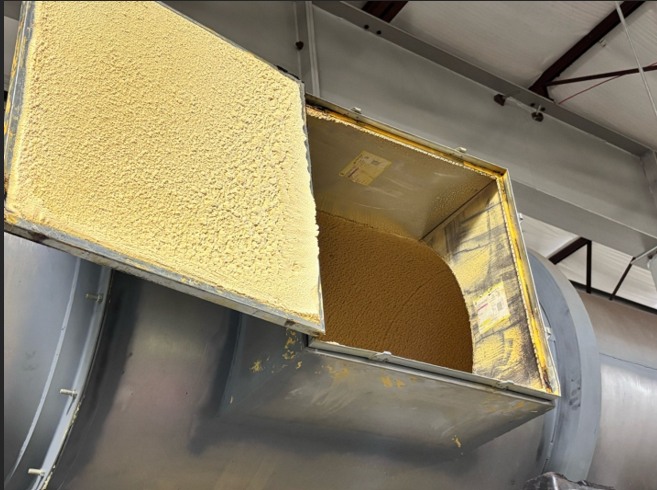
The type of industrial cleaning services you need and the methods used will depend on your plant’s operational guidelines, the chemicals and hazardous materials you deal with, local and federal regulations, OSHA requirements, and equipment and processes used. All plants and factories generate solid, liquid, and gaseous waste that can be classified as hazardous or non-hazardous. Here is a look at some common types of plants and the dangerous and hazardous waste materials they work with or generate:
- Manufacturing and Assembly – Metal scraps, plastics, solvents, chemicals, offcuts, and e-waste.
- Chemical and Pharmaceutical – Hazardous chemicals, toxic solvents, sludges that contain heavy metals, and wastewater that contains harmful substances.
- Mining – Tailings, overburden, slag, and wastewater that contain harmful substances.
- Energy Production – Fly, ash, radioactive waste, sulfur dioxide, and greenhouse gas emissions.
- Food and Beverage Processing – Organic waste, wastewater, and packaging materials.
- Textile and Leather – Fabric scraps, dyes, chemicals, tanning agents, and contaminated wastewater.
- Steel – Slag, mill scale, refractory bricks, and foundry sand.
- Pulp and Paper – Wood waste, paper and cardboard scraps, dyes, inks, chemicals, and wastewater.
Dangers of Neglecting Proper Cleaning Methods
Plant and factory cleaning is carefully regulated by outside agencies. OSHA and other local and federal agencies require specific industries to undergo rigorous and robust cleaning practices to prevent spills, contamination, health and safety hazards, and other dangers. Here are some common dangers of neglecting proper cleaning:
- Health and Safety Risks – Some of the biggest risks of delaying or neglecting necessary cleaning tasks are health and safety related. You risk respiratory problems, skin rashes and irritations, allergies, asthma, and long-term health conditions and diseases. There is also a greater risk of the spread of germs and illnesses due to unsanitary conditions. Neglecting cleaning can also lead to increased accidents and injuries due to slip hazards, equipment malfunctions, fires, and chemical exposure.
- Fire Hazards – The accumulation of dust, grease, oil, dirty rags, and other materials can increase the risk of fire. Electrical components, equipment, and machinery that aren’t properly cleaned may also create fire risks due to overheating or failure.
- Operational Problems – Lack of cleaning will cause excess wear and tear on equipment, increasing the chances of breakdowns. Unsanitary and unsafe conditions can cause workers to become ill or injured, or to go on strike due to an unsafe work environment. You may also face pest problems, product damage, and other issues that can cause downtime and lower profit margins.
- Legal and Financial Liability – Inadequate cleaning can lead to OSHA violations and hefty fines and fees. You may also face legal liability or risk having your plant or factory shut down for non-compliance.
- Reputational Damage – A spill, contamination, accident, or injury can result in major damage to your reputation. Complaints and violations may also become public record, which can hurt your company’s image.
- Environmental Risks – A lack of cleaning or using improper cleaning practices can result in air and water pollution, which can harm humans, animals, and ecosystems.
Benefits of Professional Industrial Cleaning Services
Being consistent about cleaning, following all recommendations and regulations, and working with a professional cleaning company can reduce your risk of accidents, injury, and damage. Some of the biggest benefits of professional industrial cleaning services are:
- Reduced risk of health and safety hazards
- Proper disinfection, which reduces the spread of germs, bacteria, and allergens
- A safer and healthier environment for employees
- Greater productivity due to improved employee health and satisfaction
- Extended equipment lifespan
- Reduced risk of equipment breakdown and downtime
- Compliance with all industry, local, and federal regulations
- Save time and money, and avoid the need to hire and train staff on cleaning methods
- Ensuring the best and safest products and techniques are used, and that proper protective equipment is used
- Maintain your professional image
Different Industrial Facility Cleaning Services and Methods
In addition to understanding the importance of regular plant and factory cleaning, you should also be aware of the different cleaning practices and techniques needed to ensure safety, sanitation, and hygiene. Here are a few crucial factory and plant cleaning techniques:
- High-Pressure Water Jet Cleaning – Using high-pressure water jets to remove built-up dirt, grime, grease, oil, debris, and stains from flooring, ceilings, walls, equipment, vehicles, machinery, and other interior and exterior surfaces.
- Steam Cleaning – Using high-temperature steam to clean and sanitize surfaces by killing germs on contact. This doesn’t require the use of harsh or toxic chemicals, which makes it ideal for hygienic or sterile environments.
- Ultrasonic Cleaning – Using high-frequency sound waves to create bubbles that break apart contaminants on surfaces so that they can be removed without the use of harsh chemicals or damaging techniques.
- Thermal Cleaning – Using high heat to sterilize individual components without the need for harsh or toxic chemicals.
- Dry Ice Blasting – A non-abrasive method that uses dry ice pellets to remove contaminants from the surface of flooring, equipment, machinery, and more.
- Chemical Cleaning – Using industrial-grade chemical detergents, solvents, and disinfectants that break down contaminants like grease and oil to facilitate removal.
- Vacuum Cleaning – Using vacuum technology to remove materials that are deep within crevices or intricate parts of machinery and equipment, or using powerful industrial vacuums to safely remove dust, dirt, and other debris from surfaces.
Call for an Estimate for Industrial Cleanup Services
EnviroBEE offers commercial and industrial cleaning services throughout Fayetteville and Raleigh, NC, and the surrounding areas. We specialize in cleaning warehouses, factories, food preparation and distribution facilities, industrial facilities, and more. Call us now or contact us online to get an estimate or schedule a consultation for industrial cleanup services or industrial waste management.