Why Regular Water Tank Cleaning is Important
Regular Water Tank Cleaning: A Key to Safe Water Supply
Industrial and commercial water tanks must be kept clean. Regular cleaning services are crucial to prevent disease and mold growth, maintain health and hygiene, and comply with rules and regulations. If you are not properly cleaning your tanks regularly, you may be responsible for fines, legal and financial costs, reputational damage, and the spread of illness and disease. Here is a closer look at why water tank cleaning and disinfection are so important.
Prevent the Growth of Mold and Mildew
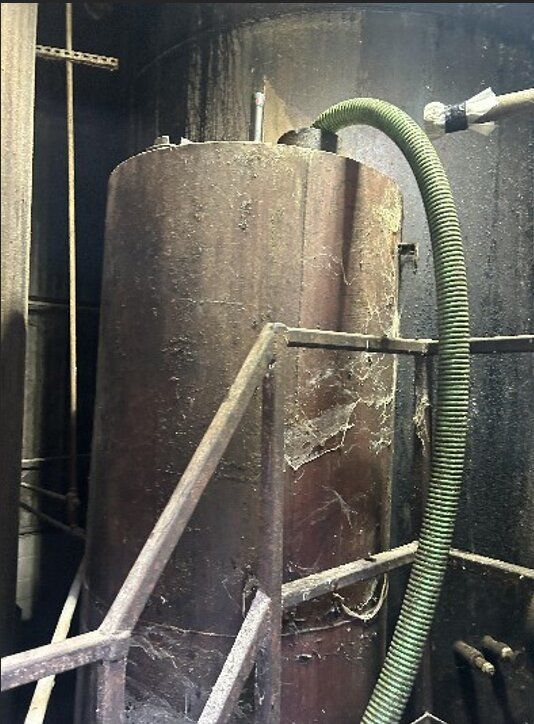
Regular industrial and commercial water tank cleaning can reduce the risk of mold and mildew growth both inside and outside the tank. Mold and mildew can affect water quality and sanitation, as well as cause health problems and damage the tank.
Protect People From Waterborne Illnesses
A clean and sanitized tank reduces the risk of the transfer of waterborne illnesses. Cleaning removes harmful bacteria and other contaminants that could affect the safety of the water, making it dangerous to drink or use for other purposes.
Eliminate Harmful or Toxic Contaminants
When you clean your tanks regularly, you remove dirt, sediment, debris, and other harmful or potentially toxic contaminants. This prevents them from contaminating the water and causing illness or disease.
Prevent the Growth of Harmful Bacteria
A dirty tank is the perfect breeding ground for harmful bacteria like legionella. These bacteria can cause serious illness, disease, and even death.
Improve Water Taste and Quality
A clean tank is free from organic material and bacteria that could cause foul odors, discoloration, sediment, clouding, and unpleasant flavor. The water will be safe to drink, and its quality and taste will remain consistent.
Maintain the Lifespan of the Tank and Equipment
Without regular cleaning, debris, sediment, and mold can damage the inside and outside of the tank. Cleaning removes harmful sediment and mineral deposits and reduces the risk of corrosion and damage. This extends the lifespan of your tank and helps you avoid the cost of repairs or replacement.
Prevent Sediment Buildup
Cleaning your tank regularly will remove sediment. When sediment builds up, it can block water flow, reduce efficiency, and put added wear and tear on the tank and components. Sediment can also affect water taste and quality.
Comply With Health Standards and Regulations
Your plant, factory, or facility must adhere to local and federal standards for water quality and sanitation. Regularly cleaning your tanks reduces the risk of facing fees and fines for non-compliance.
Avoid the Risk of Stagnant Water
Standing water that accumulates sediment can become stagnant. This creates the perfect environment for microbes and bacteria.
Protect the Environment
Contaminated water can be an environmental concern. Disposing of it improperly can threaten the surrounding plant and animal life and can contaminate other public water sources. Keeping your tanks clean reduces the risk of environmental contamination due to leaks or improper disposal.
Dangers of Neglecting Water Tank Cleaning
Neglecting proper cleaning of commercial or industrial water tanks can have far-reaching risks. Some of the biggest and most common risks of dirty water tanks are:
- Contaminated water
- Spread of illness and disease
- Injury or death of vulnerable populations, including children, the elderly, and the immunocompromised
- Employee injury or illness
- Unsafe working environment
- Financial and legal liability
- Fines and fees
- Damage to your reputation
- Damage to the water tank and plumbing system
- Environmental contamination
- Threats to plant life, animals, and the ecosystem
- Costly repairs
- Premature equipment failure
Proper Commercial Water Tank Cleaning and Disinfection
It’s important to partner with professionals to ensure your industrial or commercial water tanks are properly cleaned and disinfected. Proper cleaning includes:
- Initial Inspection and Documentation – A team of professionals should inspect the exterior and interior of the tank, take photos, and carefully document the tank’s condition and stability.
- Isolation and Draining – The tank is isolated and safely drained according to regulations, using the proper safety equipment and protocols.
- Manual Cleaning – Manual cleaning requires workers to enter the tank and scrub all tank surfaces with stiff brushes and detergents or pressure washers.
- Automated or Robotic Cleaning – Automated or robotic cleaning uses equipment fitted with rotating high-pressure nozzles to spray the tank’s interior surfaces, disinfect and clean all surfaces, rinse the tank thoroughly, and remove all cleaning solutions and water after cleaning.
- High-pressure Water Jet Cleaning – This method uses powerful streams of high-pressure water to dislodge dirt, mineral deposits, sediment, scale, and debris from all surfaces of the tank.
- Chemical Cleaning – This method uses specialized chemicals to dissolve and break down contaminants, residues, deposits, and other debris so that they can be safely cleaned away.
Call to Schedule Industrial Water Tank Cleaning Services
EnviroBEE offers industrial and commercial cleaning services, including industrial tank cleaning services in Fayetteville and Raleigh, NC, and the surrounding areas. We specialize in the proper inspection, drainage, cleaning, and refilling of chemical, oil, and water tanks. Call us now or contact us online to request an estimate for one-time or recurring water tank cleaning.