Considerations for Proper Industrial Wastewater System Management
Essential Elements of Managing Industrial Wastewater Systems
Industrial operations generate complex waste streams that require disciplined oversight and technical precision. Facilities that underestimate wastewater oversight often encounter compliance violations, system failures, or unplanned shutdowns. A properly managed industrial wastewater treatment system protects infrastructure, reduces environmental risk, and supports uninterrupted operations.
EnviroBEE supports industrial facilities with wastewater system cleaning, residuals management, compliance support, and emergency response services. Effective industrial wastewater management involves coordinated planning, monitoring, documentation, and, when necessary, hazardous and non-hazardous waste removal. The following considerations explain how industrial clients can evaluate and strengthen their approach.
Understanding Your Industrial Wastewater Treatment System
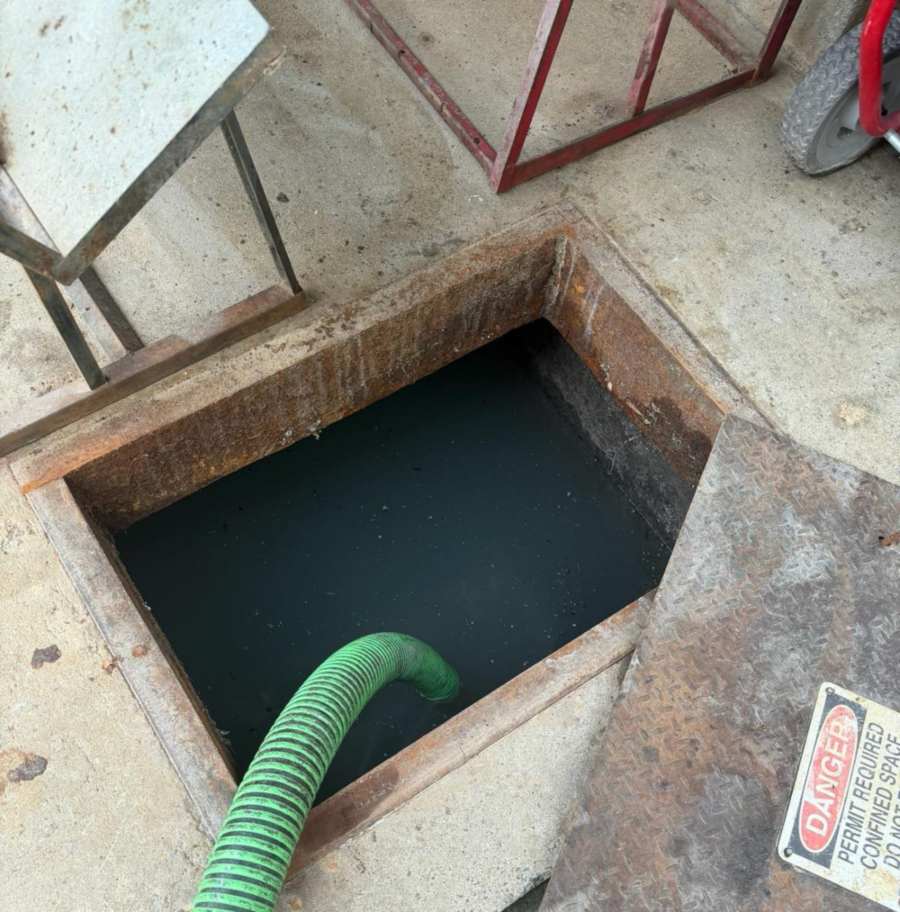
Every industrial wastewater treatment system must be designed around the specific contaminants generated by site activities. Manufacturing residues, heavy metals, oils, solvents, suspended solids, and chemical byproducts each require different treatment strategies. Before any equipment is installed or modified, facilities must understand the characteristics of their discharge. A comprehensive evaluation typically includes a review of production processes, chemical inventories, discharge volumes, and applicable permits. Key evaluation factors include:
- Wastewater flow rate and peak discharge volumes
- Chemical composition and contaminant concentrations
- Local, state, and federal discharge permit requirements
Once these variables are defined, facilities can determine whether their current industrial wastewater treatment process is adequate or requires upgrades. In many cases, inefficiencies stem from outdated equipment, inadequate filtration, or inconsistent monitoring protocols.
The Industrial Wastewater Treatment Process & Compliance
An effective industrial wastewater treatment process generally involves multiple stages, including removing large solids and debris, addressing dissolved and suspended contaminants through chemical, biological, or physical methods, and polishing effluent with advanced industrial wastewater filtration to meet discharge limits. Each stage must function in coordination with the others. A failure in a single component can compromise the entire system. For example, insufficient pretreatment may overload filtration units, resulting in noncompliant discharge levels.
Regulatory compliance is a central part of industrial wastewater management. Facilities are required to maintain permits, monitor effluent quality, and document discharge data. Poor record-keeping or inconsistent sampling can trigger enforcement actions even if the system itself is technically sound. Facilities that integrate compliance review into daily operations reduce the likelihood of costly corrective measures. Ongoing compliance management should include:
- Routine sampling and laboratory analysis of effluent
- Calibration and maintenance of monitoring equipment
- Documentation aligned with reporting requirements
Industrial Wastewater Filtration & Equipment Maintenance
Industrial wastewater filtration plays a critical role in maintaining discharge quality and protecting downstream infrastructure. Filtration methods may include sand filters, membrane systems, carbon adsorption, or specialized media designed to capture heavy metals and chemical residues. Filtration efficiency depends on proper sizing, routine inspection, and timely replacement of filter media. Clogged or degraded filtration components can cause pressure imbalances, reduced throughput, and contaminant breakthrough. Preventive maintenance programs should address all of these operational elements:
- Inspection of pumps, valves, and conveyance systems
- Scheduled cleaning or replacement of filtration media
- Verification of system pressure, flow, and discharge metrics
Facilities that delay maintenance often face unplanned downtime and have higher long-term costs. Integrating filtration oversight into a broader industrial wastewater management plan helps preserve equipment lifespan and maintain compliance.
Risk Management & Emergency Response
Industrial wastewater systems are vulnerable to unexpected issues such as chemical spills, equipment malfunctions, or production surges, and emergency spill response planning should account for the potential impact on wastewater infrastructure. Containment strategies, backup storage capacity, and clearly defined response protocols reduce the risk of untreated discharge reaching municipal systems or natural waterways. Facilities that handle hazardous materials must ensure that their wastewater treatment process can accommodate accidental releases without exceeding permit limits.
At EnviroBEE, our turnkey services enable us to coordinate emergency spill response and industrial and hazardous waste removal under a single framework. This integrated approach reduces delays between incident response and corrective action.
Data-Driven Industrial Wastewater Management
Data collection and analysis are central to effective industrial wastewater management. Facilities that rely on reactive decision-making often overlook gradual performance declines. Trending effluent data over time reveals shifts in contaminant concentrations, system efficiency, and filtration performance.
Automated monitoring systems can provide immediate alerts when discharge parameters approach regulatory thresholds. However, data must be interpreted by qualified environmental professionals who understand process chemistry and regulatory context. Periodic system audits can identify:
- Inconsistent sampling procedures
- Undocumented process changes affecting discharge
- Opportunities to optimize chemical dosing or filtration efficiency
Planning for System Upgrades & Expansion
Industrial facilities frequently expand operations or modify production lines, and changes in throughput or chemical usage can significantly impact an existing industrial wastewater treatment system. Proactive planning ensures that infrastructure keeps pace with operational growth. Before implementing changes, facilities should conduct a review to determine whether additional treatment stages, expanded filtration capacity, or revised discharge permits are required. Failing to align wastewater capacity with production increases can create compliance risks. Capital improvement planning should include engineering review, cost analysis, regulatory coordination, and contingency strategies. By addressing these elements early, facilities can maintain operational continuity while strengthening environmental safeguards.
Integrating Wastewater Management With Industrial Waste Removal
In some cases, wastewater treatment residuals such as sludge, spent filtration media, or concentrated contaminants require off-site disposal. Industrial wastewater management must align with hazardous waste regulations and transportation requirements. Proper characterization of residual waste determines whether it qualifies as hazardous and dictates handling protocols, and coordination between wastewater operators and hazardous waste removal teams prevents misclassification and ensures regulatory compliance. EnviroBEE’s integrated capabilities allow us to manage the full lifecycle of wastewater byproducts, from treatment through transportation and disposal. This turnkey structure simplifies vendor coordination and maintains accountability throughout the process.
Long-Term Oversight
Proper industrial wastewater system management demands a coordinated industrial wastewater treatment process, disciplined industrial wastewater filtration practices, accurate documentation, and readiness for emergency conditions. Facilities that prioritize structured oversight reduce regulatory exposure, protect infrastructure investments, and maintain stable operations. Industrial and government entities must treat wastewater systems as critical environmental controls rather than secondary utilities.
Contact EnviroBEE Today for More Information
Does your facility require support with industrial wastewater management or hazardous waste removal? EnviroBEE is here to help. We provide comprehensive turnkey services tailored to industrial clients. Contact us to discuss your industrial wastewater treatment system and learn how our services can benefit you.